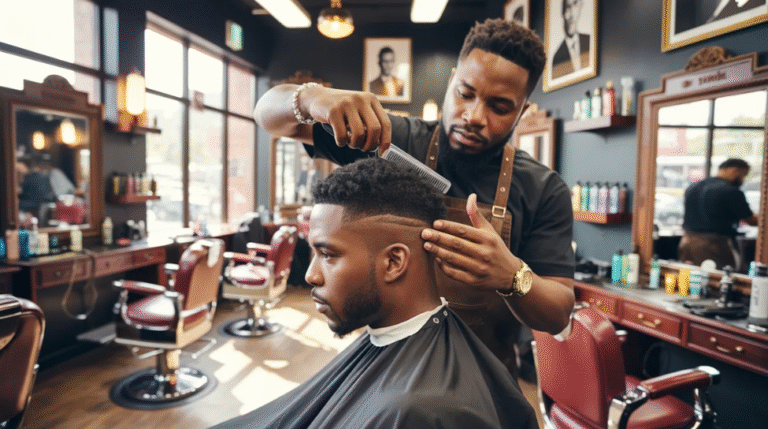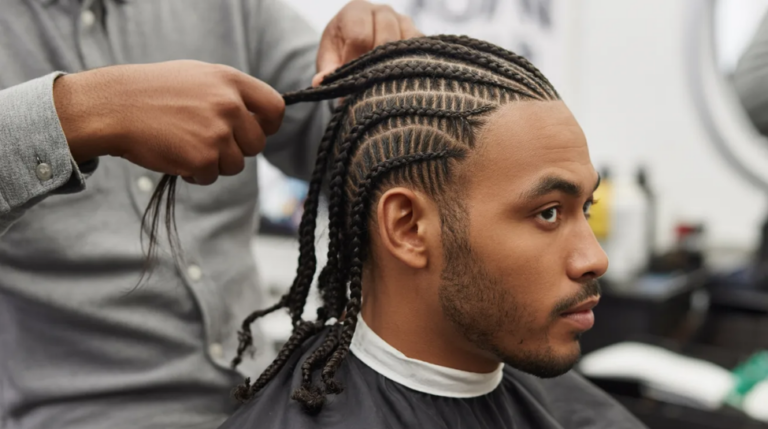
Dreadlocks can be one of the cleanest, most expressive styles for men in Dubai—especially if you want a look that works with natural hair and still gives you lots of styling options. This guide explains starter locs, what maintenance actually involves, how to protect your scalp, and which loc hairstyles are easiest to wear day-to-day.
TL;DR — Dreadlocks (Starter Locs, Maintenance)
Dreadlocks (locs) start with a deliberate foundation (starter locs), then mature over time with consistent maintenance and scalp care. In Dubai, the best results come from choosing the right starter method for your hair type and avoiding styles that feel too tight.
- Starter locs are the beginning stage where sections are created and “trained” into locs.
- Maintenance is mostly about scalp health, controlled cleansing, and periodic retwists (based on your hair and how neat you like your roots).
- Tight loc styles can contribute to traction alopecia—if it hurts, it’s too tight.
Dreadlocks for men: what they are and what “starter locs” means

Dreadlocks are sections of hair that are intentionally formed and maintained so the strands stay together over time. Starter locs are the first stage of that process: your hair is parted into sections and set using a method that matches your texture, density, and desired loc size.
Starter locs should look intentional from day one, but they’re not supposed to look “perfectly mature” right away. Frizz, shrinkage, and unevenness can happen early on. The goal is a clean foundation that becomes more defined as your hair locks.
If you want the most natural-looking results, prioritize:
- Clean sectioning (even parts)
- A loc size that suits your lifestyle (small = more time, more flexibility; larger = faster, bolder look)
- A realistic plan for maintenance
Starter locs methods: how to choose the right foundation
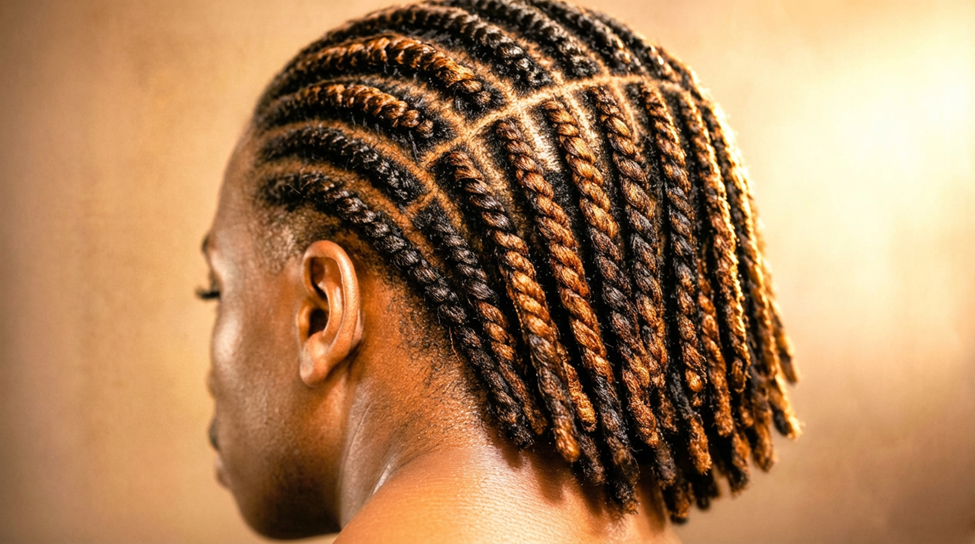
Starter locs methods vary, and the “best” option depends on your hair type and your patience level.
Comb coils
Comb coils are small coils created section by section, usually used for tighter textures. Comb coils can create a neat starter look, but they need careful maintenance early on to avoid unraveling.
Two-strand twists
Two-strand twists start by twisting two sections together. Two-strand twists are popular because they can look good immediately and transition well into locs as they mature.
Instant locs (crochet method)
Instant locs are created by forming the loc with a crochet tool so it looks more “locked” right away. Instant locs can be a good option if you want an immediate loc look, but the technique and tension matter—quality work prevents breakage and scalp stress.
A consultation is the best way to pick a method because your hair type and your desired loc size change the right answer.
Dreadlocks maintenance: what you actually do between appointments
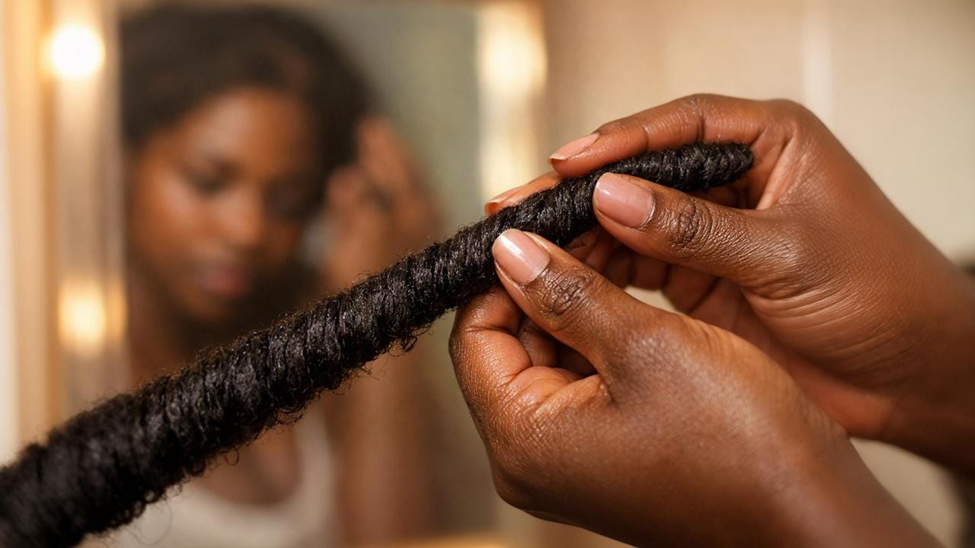
Dreadlocks maintenance is the routine that keeps your scalp healthy and your roots controlled while your locs mature. Most people rotate between cleansing, moisturizing, and retwists or root maintenance.
Cleansing
Cleansing is about removing sweat, oil, and product buildup without leaving residue in the loc. A good routine uses thorough rinsing and avoids heavy waxes that can sit inside the hair.
Moisture and scalp care
Moisture is about keeping hair flexible and reducing breakage. A light routine is usually better than constant heavy oils—especially in Dubai heat, where sweat and buildup can become an issue.
Retwists and root maintenance
Retwists are the method many people use to keep the roots neat and encourage the loc to form in the right direction. Retwist timing depends on hair type and how clean you like your look.
If your locs feel painful or your scalp is tender after maintenance, that’s a sign something was too tight.
Scalp safety: why tension matters with locs
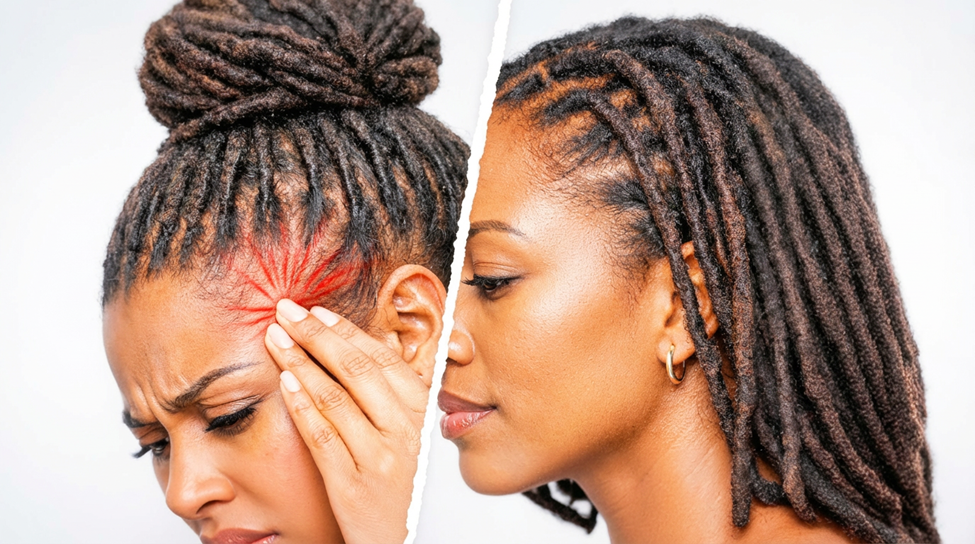
Scalp safety matters because repeated pulling can damage follicles over time. The American Academy of Dermatology lists locs as one of the hairstyles that can lead to traction alopecia when they’re too tight, and it includes a simple rule: if your hairstyle feels painful, it’s too tight.
Practical tension rules that protect your hairline:
- Avoid super-tight roots, especially around edges and temples
- Don’t overload locs with heavy extensions if your hairline is sensitive
- Speak up immediately if you feel stinging, bumps, or tenderness
Healthy locs should feel secure – not sore.
Different loc hairstyles men actually wear (and why they work)
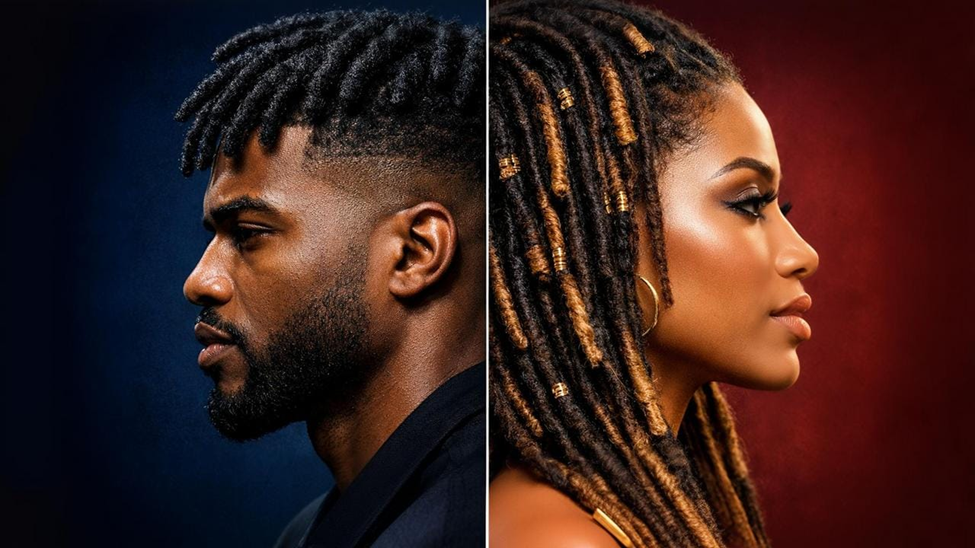
Different loc hairstyles let you switch up your look without changing the foundation. Here are practical options that work well for men:
High top locs
High top locs keep the sides shorter while leaving locs on top for styling. High top locs work well if you want a clean profile and less heat on the sides.
Loc ponytail or bun
A loc ponytail or bun pulls locs back neatly for work, gym, or hot weather. This style is easy, but you should avoid pulling too tight at the hairline.
Barrel twists
Barrel twists wrap locs into clean, structured rows. Barrel twists are a strong option for events or when you want a more styled look without cutting anything.
Two-strand twist on locs
Two-strand twists on locs are a low-effort style change that can give you texture and shape for a week or two.
Loc petals or simple half-up style
A half-up style keeps locs off your face while still showing length. It’s simple, clean, and easy to redo.
If you’re experimenting, start with styles that don’t require extreme tension.
What to expect during your dreadlocks journey

The dreadlocks journey usually moves through starter, budding, and maturing stages, but the timeline varies a lot by texture, density, method, and how well you maintain your hair. The important thing is not rushing the process.
A realistic expectation is:
- Your locs will look more “settled” with consistent maintenance
- Your parts may shift slightly as hair grows and locks
- You may need to adjust product use as you learn what your scalp likes
If you want a neat look all the time, plan for more frequent maintenance. If you’re okay with a more natural look, you can space things out more.
A place that does dreadlocks well should offer clean sectioning, controlled tension, and the ability to guide you based on your hair type and lifestyle. You should also be able to explain your goal (thin locs vs. thicker locs, neat vs. natural) and get a plan that makes sense.
Fade & Play Al Barsha lists “Braids and Dreads” as a service category and shows team members who focus on locks and dreadlocks (for example: Erika for braids/dreadlocks; Principah, Ben, and Dinah listed with locks).
The Al Barsha branch is also listed with daily 09:00–23:00 opening times, which helps if you need evening appointments.
FAQs about starter locs and maintenance
Can you start locs with short hair?
You can start locs with short hair, but the method and loc size need to match your length so the foundation holds.
Can you wash starter locs?
You can wash starter locs, but you’ll want a routine that avoids heavy residue and protects the foundation.
Are locs good for natural hair?
Locs can work very well with natural hair when tension is controlled and scalp health is prioritized.
How do you keep locs looking neat?
Neat locs come from clean parts, periodic root maintenance, and not overloading your locs with heavy product.
If you want to start locs, refresh your roots, or explore different loc hairstyles with a team that offers dreadlocks services in Dubai, you can learn more and book today.