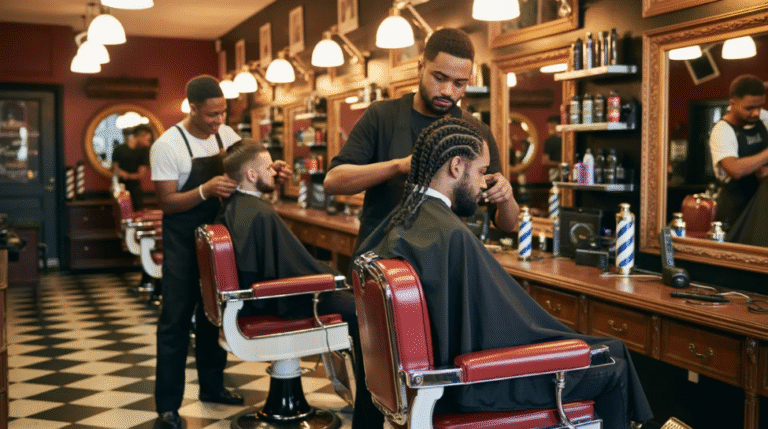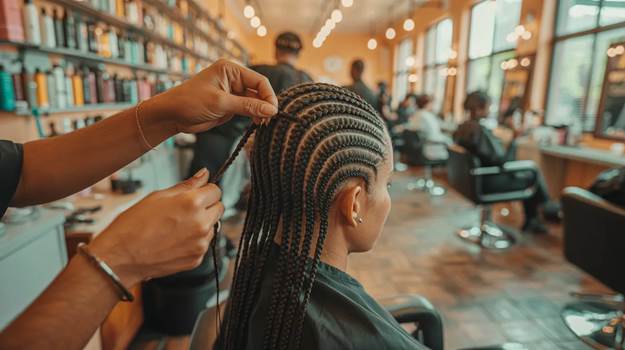
When people search “braids near me” in Dubai, they usually want one of two things:
- a style that looks amazing, and
- a style that lasts without constant daily effort.
But the difference between “I love this” and “I can’t wait to take this out” usually comes down to one thing: tension.
The American Academy of Dermatology explains that hairstyles that pull can lead to traction alopecia, which is hair loss caused by repeated pulling over time.
So before you pick a braid style based on a photo, use this simple framework.
TL;DR
To choose the right braids, decide:
- Your main goal (low maintenance, protective, length, neat look)
- The braid family (cornrows, box braids, knotless styles, twists)
- The comfort rules (no pain, no stinging, no “too tight to sleep”)
- The weight rules (length and thickness matter)
If it hurts, it’s too tight. Don’t negotiate with your scalp.
Step 1: Pick your goal first (this makes the choice easy)
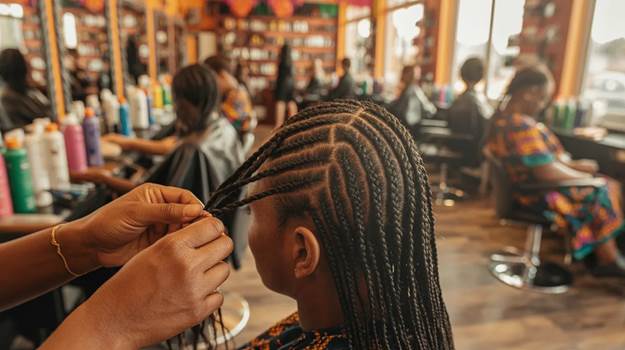
Choose one priority:
- Low maintenance (quick mornings)
- Protective (less heat, less daily manipulation)
- Length/volume (extensions, fuller look)
- Neat look (clean parts, structured pattern)
When you pick the goal first, you’re less likely to end up with a style that looks great but doesn’t fit your real life.
Step 2: Understand braid “families” (without overthinking it)
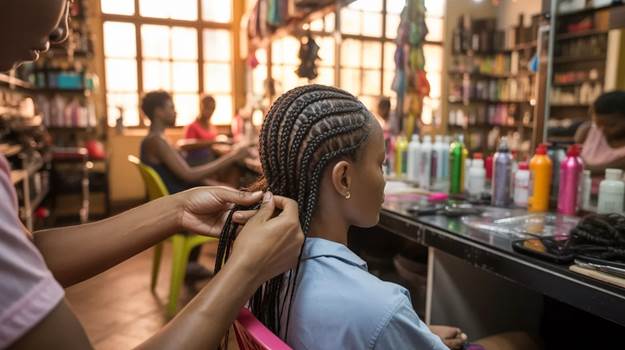
Most braid styles fall into a few categories:
- Cornrows / straight-backs (flat to the scalp)
- Box braids (individual sections, very flexible styling)
- Knotless styles (often feel lighter for many people)
- Twists (a softer rope-like look)
You don’t have to memorize names. You just need to match the style type to your comfort level and maintenance preference.
Step 3: Tension matters more than the style name
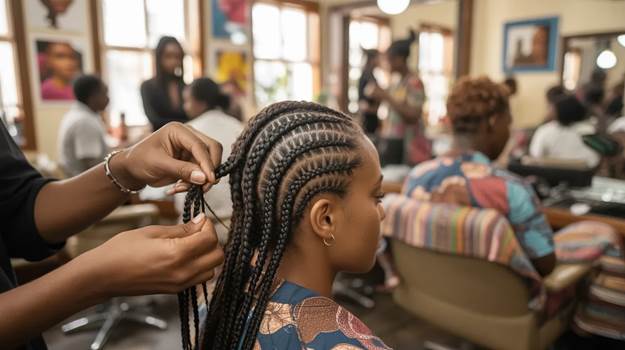
This is the part most people learn the hard way.
Cleveland Clinic notes that traction alopecia can happen when you wear tight hairstyles repeatedly over long periods, because that tension can damage hair follicles.
The comfort test you should use immediately
If your scalp:
- feels sore,
- stings,
- throbs,
- or you can’t sleep comfortably…
that’s not “normal braiding.” That’s a signal to loosen it.
Step 4: Choose thickness and length based on comfort
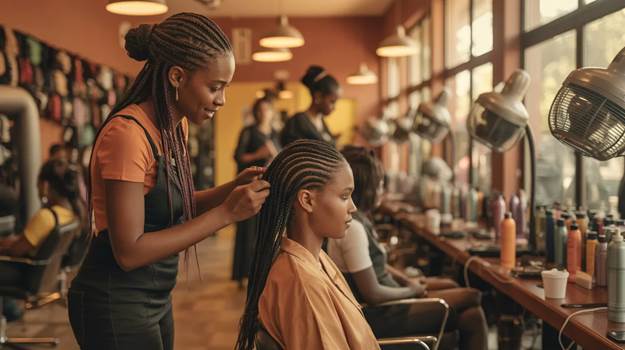
Length and thickness decide how heavy the style feels over time.
A simple rule:
- Longer + smaller usually equals heavier + more tension
- Medium length + slightly thicker often equals more comfort
If your hairline is sensitive, ask for lighter tension at the front and avoid tiny braids right on the edges.
Step 5: Decide on added hair before you sit down
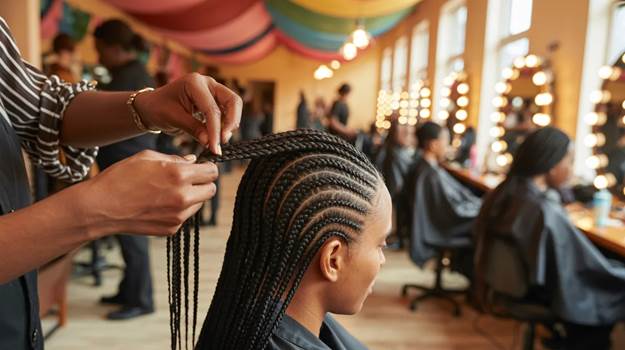
If you’re using extensions, you’re choosing:
- more length,
- more volume,
- and potentially more weight.
If you’re new to braids, starting a little lighter (medium length, moderate fullness) is often a safer first move. You can always go longer next time once you know what your scalp tolerates.
Step 6: Ask these questions before you commit (copy/paste)
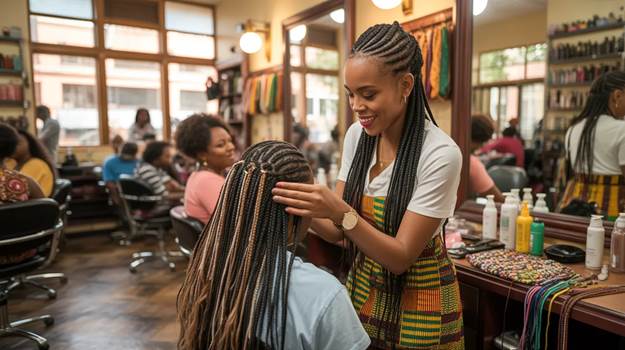
These questions instantly improve outcomes:
- “Can you keep the tension lighter around my hairline?”
- “If it feels too tight, can we loosen it right away?”
- “What braid size do you recommend so it won’t feel heavy?”
- “How long should I keep this style in?”
- “What should I do at home if my scalp starts stinging?”
If the answers feel rushed or dismissive, take that as your sign.
Step 7: Keep it fresh with simple maintenance
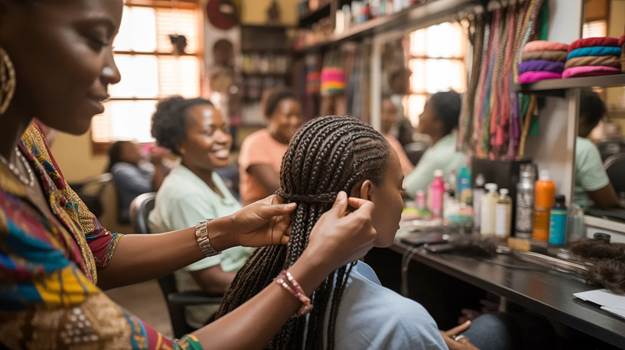
You don’t need a complicated routine.
Basic habits that help:
- Protect the style while sleeping (to reduce frizz and stress)
- Check your scalp daily for discomfort
- Take breaks between styles if you notice irritation or thinning
FAQs
Are braids bad for your hair?
Braids can be a great protective style, but repeated tension from tight hairstyles can contribute to traction alopecia over time.
How do I know if my braids are too tight?
Pain, stinging, and headaches are common warning signs. Comfort should improve after install—not get worse.
What braid style is best for beginners?
A medium-length, medium-fullness style is often a good starting point because it can be more comfortable while you learn what your scalp tolerates.
Summary
If you’re searching “braids near me” in Dubai, pick your style with comfort in mind first. The right braids should look great and feel wearable for weeks. If the style hurts, it’s not a flex—it’s a problem. Reach out to Fade and Play today for the freshest, most comfortable styles.